Understanding Patellofemoral Pain Syndrome (PFPS): Symptoms, Causes, and Treatment
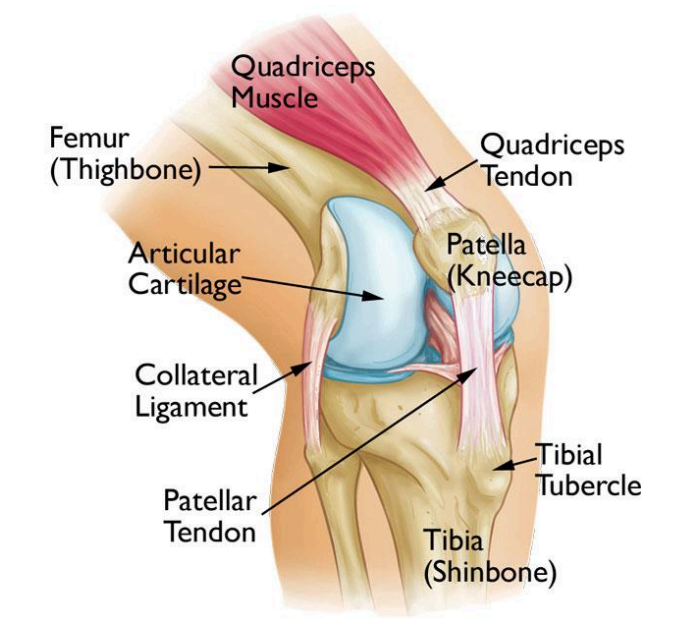
Patellofemoral Pain Syndrome (PFPS), commonly known as “runner’s knee,” is a frequent source of knee discomfort. It primarily affects individuals engaged in repetitive knee movements, such as runners, cyclists, and those who regularly climb stairs. Here’s a comprehensive guide to understanding and managing this condition.
What You May Be Feeling:
PFPS often manifests with the following symptoms:
- Dull, aching pain around the kneecap, patella tendon, or the inside of the kneecap.
- Increased pain during activities like climbing stairs, walking uphill, or squatting.
- Discomfort that worsens after prolonged sitting with the knee bent (often called “theater sign”).
- A sensation of the knee “catching” or feeling unstable, as though it might give out while walking.
These symptoms often stem from improper alignment or overuse of the knee joint.
Possible Causes of PFPS:
PFPS results from various factors that contribute to stress on the patellofemoral joint, including:
- Biomechanical Issues:
- Chondromalacia patella: A softening of the cartilage under the kneecap caused by improper patella tracking.
- Misalignment due to anatomical conditions like wider hips (common in females) or knock knees.
- Overuse:
- Repetitive activities such as running, stair climbing, or jumping can irritate the joint.
- Muscle Imbalances:
- Weakness in the quadriceps, especially the vastus medialis oblique (VMO) muscle, reduces knee stability.
- Foot Biomechanics:
- Overpronation (collapsing of the foot’s arch) can alter lower limb alignment and increase stress on the knee.
Initial Treatment Options:
Managing PFPS involves addressing its root causes through targeted interventions:
- Stretching:
- Improving flexibility in tight muscle groups can reduce stress on the knee. Focus on:
- Quadriceps
- Hamstrings
- Calf muscles
- Iliotibial (IT) band
- Improving flexibility in tight muscle groups can reduce stress on the knee. Focus on:
- Strengthening:
- Strengthen the VMO muscle to improve patella tracking and overall knee stability.
- Supportive Measures:
- Invest in proper footwear to prevent overpronation and support healthy foot and ankle mechanics.
- Activity Modification:
- Reduce or avoid activities that aggravate symptoms, such as prolonged sitting or high-impact exercises.
When to Seek Professional Help:
If your symptoms persist despite initial treatment efforts, consult a healthcare provider. Your primary care doctor or a sports medicine physician can assess the severity of your condition and recommend advanced treatments, such as physical therapy, orthotics, or other interventions.
Follow-up:
Patellofemoral Pain Syndrome is a manageable condition with the right approach. Early intervention, proper stretching and strengthening exercises, and addressing biomechanical issues can help alleviate discomfort and prevent recurrence. If these suggestions don’t resolve or help your problem, consult your Primary Care doctor or Sports Medicine physician.