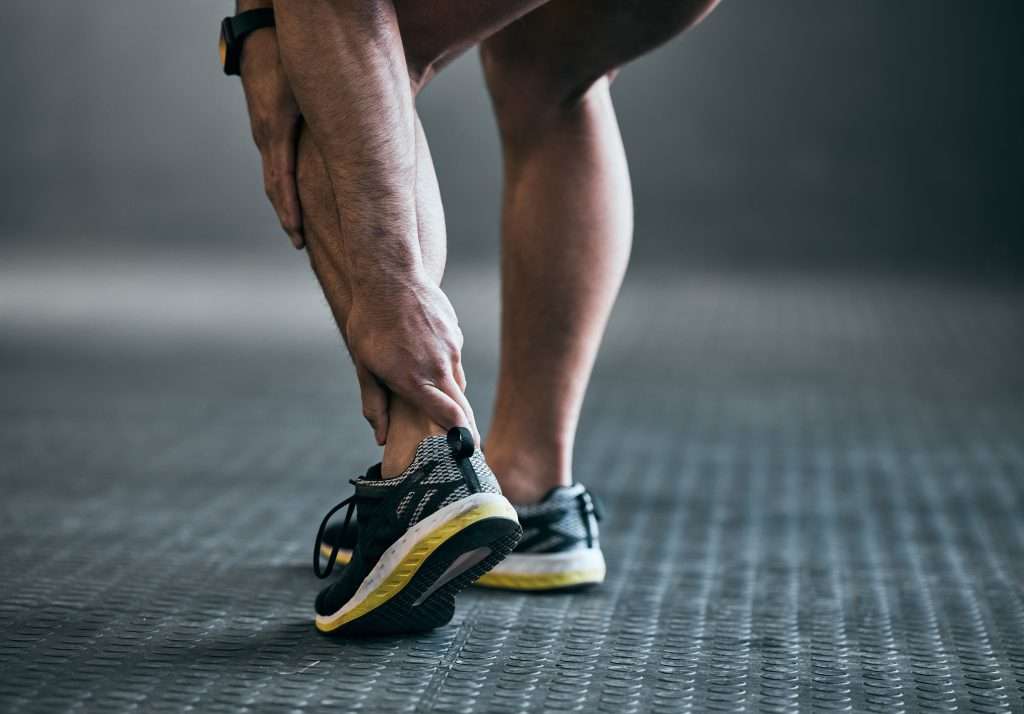
What Is Achilles Tendon Pain? Causes, Symptoms, Treatment, and Prevention
The Achilles tendon is one of the strongest and hardest-working structures in the body. Every time you walk, climb stairs, run, or jump, your Achilles tendon helps transfer force from your calf muscles to your foot, allowing you to move efficiently.
Despite its strength, the Achilles tendon is also vulnerable to irritation, inflammation, and injury. At Tri Rehab, we help patients in Dearborn and Canton, Michigan manage Achilles tendon pain and return to the activities they enjoy through personalized rehabilitation and prevention strategies.
What Is the Achilles Tendon?
The Achilles tendon is the large, cord-like structure located at the back of the ankle. It connects the calf muscles to the heel bone and plays a critical role in walking, running, and other weight-bearing activities.
While incredibly strong, the tendon is subjected to tremendous stress. In fact, it can withstand forces greater than 1,000 pounds during certain activities. However, one portion of the tendon—approximately 2.5 inches above the heel—has a relatively poor blood supply, making it more susceptible to degeneration, tears, and slower healing.
What Causes Achilles Tendon Pain?
Achilles tendon pain often develops gradually due to repetitive stress and overuse. Factors that may contribute include:
- Sudden increases in physical activity
- Running or walking with improper mechanics
- Inadequate footwear
- Tight calf muscles
- Poor flexibility
- Repetitive jumping or impact activities
- Changes in training surfaces
Without proper treatment, chronic Achilles tendon problems can increase the risk of more serious injuries, including tendon rupture and the potential need for surgery.
Common Symptoms of Achilles Tendon Problems
Symptoms can range from mild discomfort to significant pain and functional limitations.
Common signs include:
- Pain along the Achilles tendon
- Pain where the tendon attaches to the heel
- Pain in the lower calf
- Swelling around the tendon
- Weakness in the calf or leg
- Morning stiffness or tightness
- A tender area or lump along the tendon
Symptoms often worsen during activity and may be particularly noticeable when first getting out of bed in the morning.
How Is Achilles Tendon Pain Treated?
Early treatment can help reduce inflammation and prevent more serious complications.
Rest
Reducing activities that aggravate symptoms is often one of the first and most effective treatment strategies. Allowing the tendon time to recover can prevent further irritation.
Ice Therapy
Applying ice for approximately 20 minutes every two hours, as tolerated, may help reduce pain and inflammation.
Gentle Stretching
Improving flexibility in the calf muscles and surrounding structures can reduce strain on the tendon and support recovery.
Taping and Support
In some cases, taping techniques may help reduce stress on the Achilles tendon during activity.
Physical Therapy
Physical therapy is often one of the most effective treatments for persistent Achilles tendon pain.
At Tri Rehab, treatment may include:
- Gait analysis
- Running form evaluation
- Footwear assessment
- Functional movement evaluation
- Manual stretching
- Soft tissue techniques
- Therapeutic ultrasound when appropriate
Our goal is to identify the underlying cause of your symptoms and develop a personalized plan to help reduce inflammation, improve mobility, and restore function.
Orthotics and Additional Evaluation
Some patients may benefit from custom orthotics or additional medical evaluation. If symptoms persist or a more serious injury is suspected, referral to an orthopedic specialist may be recommended.
Can Achilles Tendon Injuries Be Prevented?
While not every injury can be prevented, several strategies may reduce your risk:
- Increase activity levels gradually
- Wear supportive footwear
- Stretch regularly
- Strengthen the calf muscles
- Address pain early before it becomes chronic
- Maintain proper walking and running mechanics
Small adjustments today can help prevent larger problems in the future.
When Should You Seek Treatment?
If Achilles tendon pain is limiting your ability to walk, exercise, or participate in daily activities, it may be time to seek professional evaluation.
Early intervention often leads to faster recovery and can help prevent chronic issues or more serious tendon injuries.
At Tri Rehab, we are committed to helping patients in Dearborn and Canton, Michigan move better, feel stronger, and return to the activities they love.
Visit www.trirehab.com to learn more about our physical therapy services and treatment options.